Dermatology-led skin, aesthetics & longevity in Notting Hill · The Platina Method · Open 7 daysDermatology-led skin & longevity · Notting Hill 020 8226 0165WhatsApp ushello@clinicplatina.com

Home / Skin Concerns /Acne-prone skin

Acne-prone skin

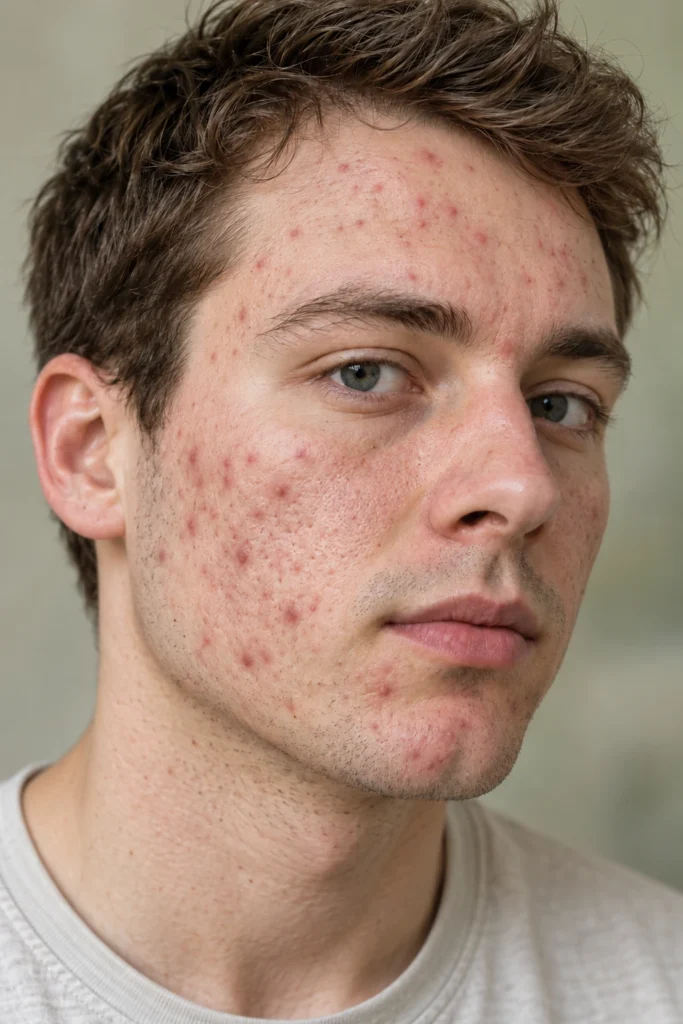
Breakouts in adulthood are common and rarely just about cleansing. Here's what tends to drive them, and how we help calm skin and fade the marks they leave.
Dr Adham Chakhachiro
Medically reviewed by Dr Adham Chakhachiro, NHS Dermatology Registrar. Last reviewed October 2026
At a glance
Often looks like
Spots, blackheads & marks
Common drivers
Hormones, oil, inflammation
Usual approach
Calm, clear, then repair
Change usually seen
8–12 weeks

What it is

Acne-prone skin means pores that clog and inflame easily, leading to blackheads, spots and sometimes deeper, tender lumps. It’s increasingly common in adults, particularly in women from their twenties to forties, and often flares around the jawline and chin.

Our role is the skin side of things: calming active breakouts, supporting the skin barrier, and improving the marks and texture breakouts leave behind. Where acne needs prescription treatment, we’ll tell you and point you in the right direction.
What's driving it

Hormonal shifts

Fluctuating hormones make oil glands more active, often on the lower face and around periods.

Clogged pores

Excess oil and dead skin cells block the pore, creating blackheads and spots.

Over-treating

Harsh scrubs and too many actives damage the barrier and keep skin inflamed.

How we approach it

Every concern is assessed through The Platina Method™. These are the domains that shape the plan for this concern.
Clinical
Assessing the type and severity, and recognising when acne needs medical treatment.
Barrier
Repairing irritation from harsh products, which often keeps breakouts going.
Renewal
Regular, gentle exfoliation to help keep pores clearer.
Lifestyle
Looking at your routine, stress, sleep and products that may be adding to breakouts.
Prevention
Protecting healing marks from the sun so they fade rather than darken.
Structure
Highlighted domains are the ones we'd focus on for this concern.

In deeper skin tones

Breakouts often leave dark marks that last longer than the spots themselves. We treat both together and avoid anything that risks further pigmentation. Our approach to skin of colour

When to get it checked first

Painful, deep lumps or cysts, scarring as spots heal, or acne that's affecting your mood should be seen by your GP or a dermatologist, as prescription treatment may be needed. We're happy to work alongside that care.

Frequently asked questions

Can I have treatment while I have active breakouts?

Some treatments, such as certain peels, can help with active breakouts. Others, such as microneedling, are better once skin has calmed. We'll plan the order with you.

Will acne scars improve?

Many scars can be softened noticeably with a course of treatment, though deeper scars rarely disappear completely. We'll be honest about what's realistic for your skin.

Could my skincare be making it worse?

Sometimes. Heavy products, harsh scrubs or too many actives at once are common culprits. We'll review your routine at consultation.

Related concerns

Crepey skin
Acne scarring
Texture and pores

Not sure what's driving your skin concern?

Book a consultation for an honest, doctor-led assessment of what's going on and what's worth doing.

Book a skin consultation