
Dermatology-led skin, aesthetics & longevity in Notting Hill · The Platina Method · Open 7 daysDermatology-led skin & longevity · Notting Hill 020 8226 0165WhatsApp ushello@clinicplatina.com

Home / Skin Concerns /Hyperpigmentation

Hyperpigmentation

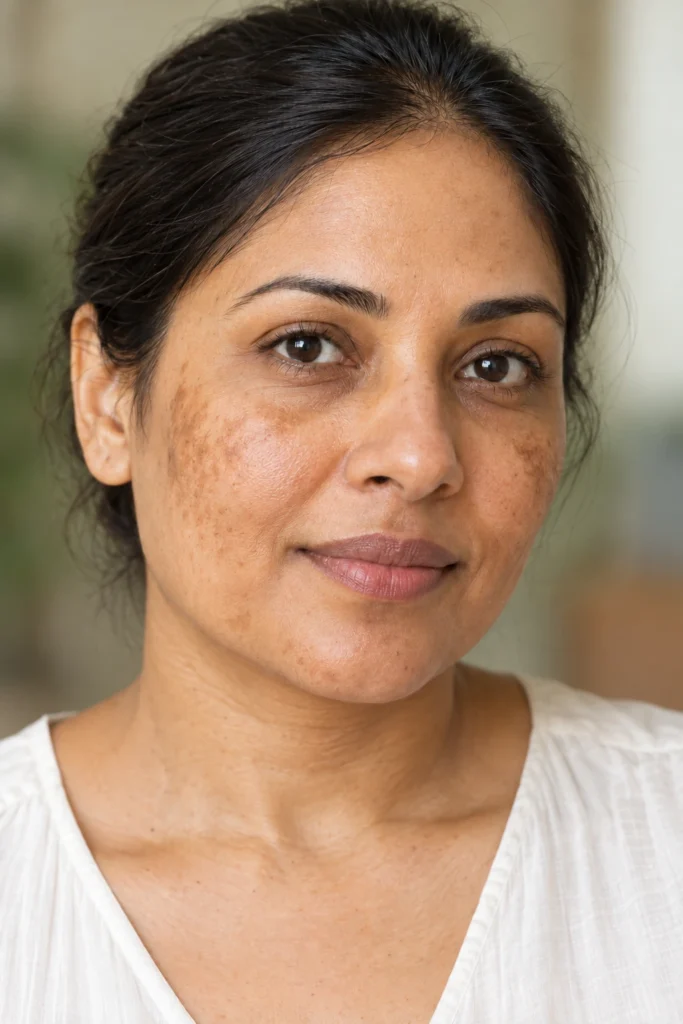
Dark patches and uneven tone have several different causes, and the right plan depends on which one you have. Here's how we tell them apart, and what tends to help.
Dr Adham Chakhachiro
Medically reviewed by Dr Adham Chakhachiro, NHS Dermatology Registrar. Last reviewed September 2026
At a glance
Often looks like
Patches & uneven tone
Common drivers
Sun, hormones, inflammation
Usual approach
Protect, calm, resurface
Change usually seen
8–12 weeks

What it is

Hyperpigmentation means areas of skin that look darker than the skin around them, because pigment cells are producing more melanin than usual. It’s one of the concerns we see most often, and one where treating the wrong cause tends to lead to the most frustration.

Two people can have patches that look similar but need quite different plans. That’s why the assessment matters more than the treatment list.


What's driving it

Sun spots

Built up over years of UV exposure, usually on the face, hands and chest.

Post-inflammatory

Follows spots, eczema or irritation. More common and longer-lasting in deeper skin tones.

Melasma

Hormonally influenced and heat-sensitive. Can be made worse by the wrong treatment.

How we approach it

Every concern is assessed through The Platina Method™. These are the domains that shape the plan for this concern.
Clinical
Confirming the type of pigment, and ruling out anything that needs a different kind of care.
Barrier
Calming irritation first, since inflamed skin tends to make more pigment.
Renewal
Gentle, gradual resurfacing, matched to your skin type.
Lifestyle
Prevention
Daily broad-spectrum protection, which every plan depends on.
Structure
Highlighted domains are the ones we'd focus on for this concern.

In deeper skin tones

Pigment can respond strongly to heat and irritation. We usually start gentler and build up, rather than risk making patches darker. Our approach to skin of colour

When to get it checked first

A patch or mole that's new, changing, bleeding or itching should be assessed medically before any cosmetic treatment. If we see anything like this, we'll tell you and point you to the right care.

Frequently asked questions

Can hyperpigmentation be removed completely?

Many cases can be improved noticeably, but complete removal isn't always realistic. Melasma in particular tends to come back and usually needs ongoing care.

Is sun protection really that important?

Yes. Daily broad-spectrum protection underpins every pigmentation plan. Without it, other treatments are unlikely to hold.

How long before I see a change?

Most people notice gradual change over 8 to 12 weeks. We'll give you a realistic timeline for your skin at consultation.

Related concerns

Dull and tired skin

Not sure what's driving your skin concern?

Book a consultation for an honest, doctor-led assessment of what's going on and what's worth doing.

Book a skin consultation