Dermatology-led skin, aesthetics & longevity in Notting Hill · The Platina Method · Open 7 daysDermatology-led skin & longevity · Notting Hill 020 8226 0165WhatsApp ushello@clinicplatina.com

Home / Skin Concerns /Dull and tired skin

Dull and tired skin

Skin that looks flat, grey or tired — even after a good night's sleep — is incredibly common. Here's what tends to cause it, and how we help bring back a healthy glow.
Dr Adham Chakhachiro
Medically reviewed by Dr Adham Chakhachiro, NHS Dermatology Registrar. Last reviewed October 2026
At a glance
Often looks like
Flat, grey or tired-looking skin
Common drivers
Build-up, dehydration, stress
Usual approach
Renew, hydrate, protect
Change usually seen
2–8 weeks

What it is

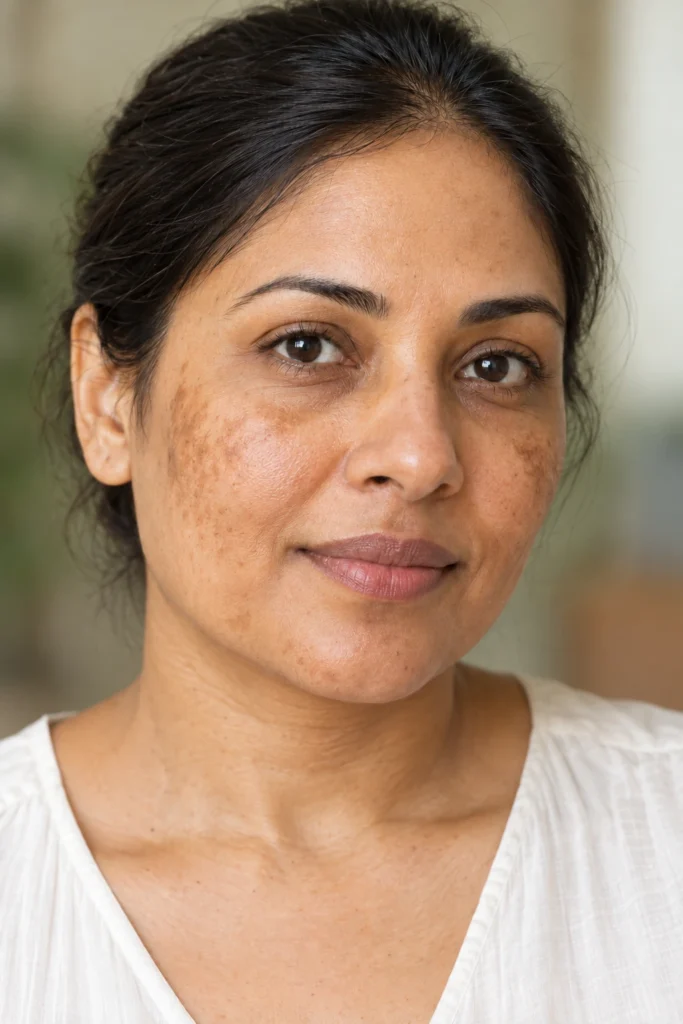
Dull tired skin is skin that has lost its natural radiance. It can look flat, grey or uneven, makeup sits less well, and you may be told you look tired when you don’t feel it. Usually it comes down to a build-up of dead skin cells, dehydration and a gradual slowing of the skin’s renewal — often made worse by stress, poor sleep and city life.

The good news is that dullness usually responds well. Gentle resurfacing with chemical peels, hydration from skin boosters, micro needling, and a simple, consistent routine can make skin look fresher within weeks. For a more complete reset, we can combine several of these into a single plan at your consultation

Busy schedules are a common thread among the people we see from Notting Hill, Kensington and Chelsea, so we favour treatments that fit around work, with little or no downtime.

What's driving it

Surface build-up

Dead skin cells collect on the surface and scatter light unevenly, so skin looks flat rather than luminous.

Dehydration

Skin that is short on water looks dull and shows fine lines more easily — even if it feels oily.

Stress and sleep

Poor sleep, stress, smoking and pollution affect circulation and repair, leaving skin looking tired.

How we approach it

Every concern is assessed through The Platina Method™. These are the domains that shape the plan for this concern.
Clinical
Checking for underlying causes such as pigmentation, sensitivity or medical factors.
Barrier
Restoring hydration so the skin reflects light more evenly.
Renewal
Gentle, regular exfoliation to reveal fresher skin.
Lifestyle
Sleep, stress, diet and smoking all show in the skin, and we talk these through.
Prevention
Daily SPF and antioxidants to protect against further dullness.
Structure
Highlighted domains are the ones we'd focus on for this concern.

In deeper skin tones

In deeper skin tones, dullness often shows as an ashy or uneven tone. We choose gentle resurfacing to brighten without risking pigmentation. Our approach to skin of colour

When to get it checked first

If dull skin comes with new tiredness, weight change, hair loss or other symptoms, it's worth seeing your GP, as it can occasionally reflect an underlying health issue.

Frequently asked questions

What causes dull skin?

Most often a build-up of dead skin cells, dehydration and slower renewal, made worse by stress, poor sleep and sun exposure.

How quickly can dull skin improve?

Many people notice brighter skin within two to four weeks of starting treatment and a consistent routine.

Is dull skin a sign of ageing?

Partly — renewal slows with age — but dullness is common at any age and usually responds well to treatment.

Do I need injectables for dull skin?

Not always. Peels and skincare alone often help, and skin boosters or mesotherapy can add hydration if needed.

Can I have treatment before an event?

Yes, though we suggest allowing at least a week after a peel, and two weeks for more intensive treatments.

What should I change at home?

Usually less, not more: a gentle cleanser, an antioxidant, a moisturiser that suits your skin and daily SPF. We'll tailor this at consultation.

Related concerns

Hyperpigmentation

Not sure what's driving your skin concern?

Book a consultation for an honest, doctor-led assessment of what's going on and what's worth doing.

Book a skin consultation